Urban Biophilia & Comprehensive Ecological Integration
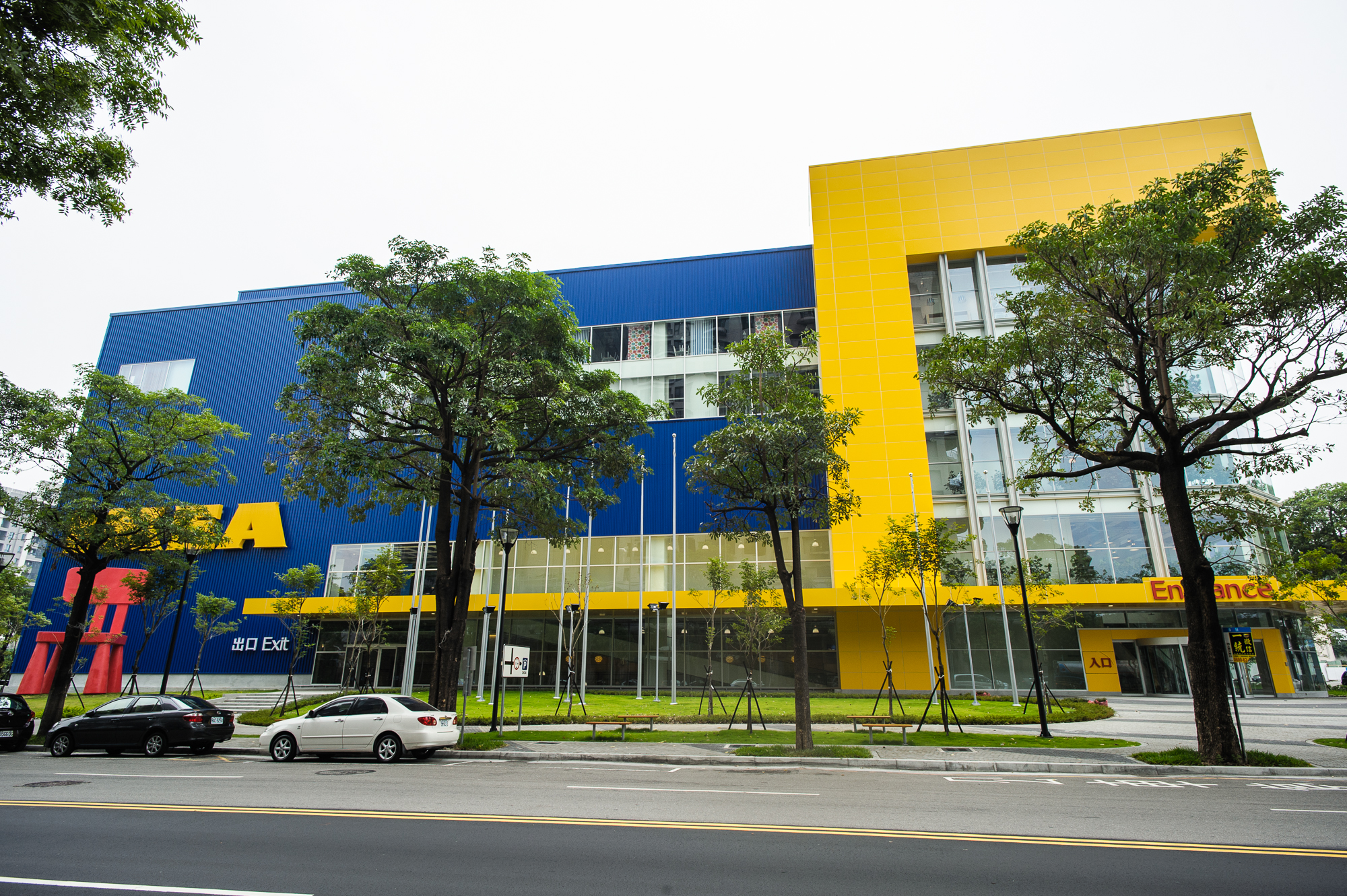
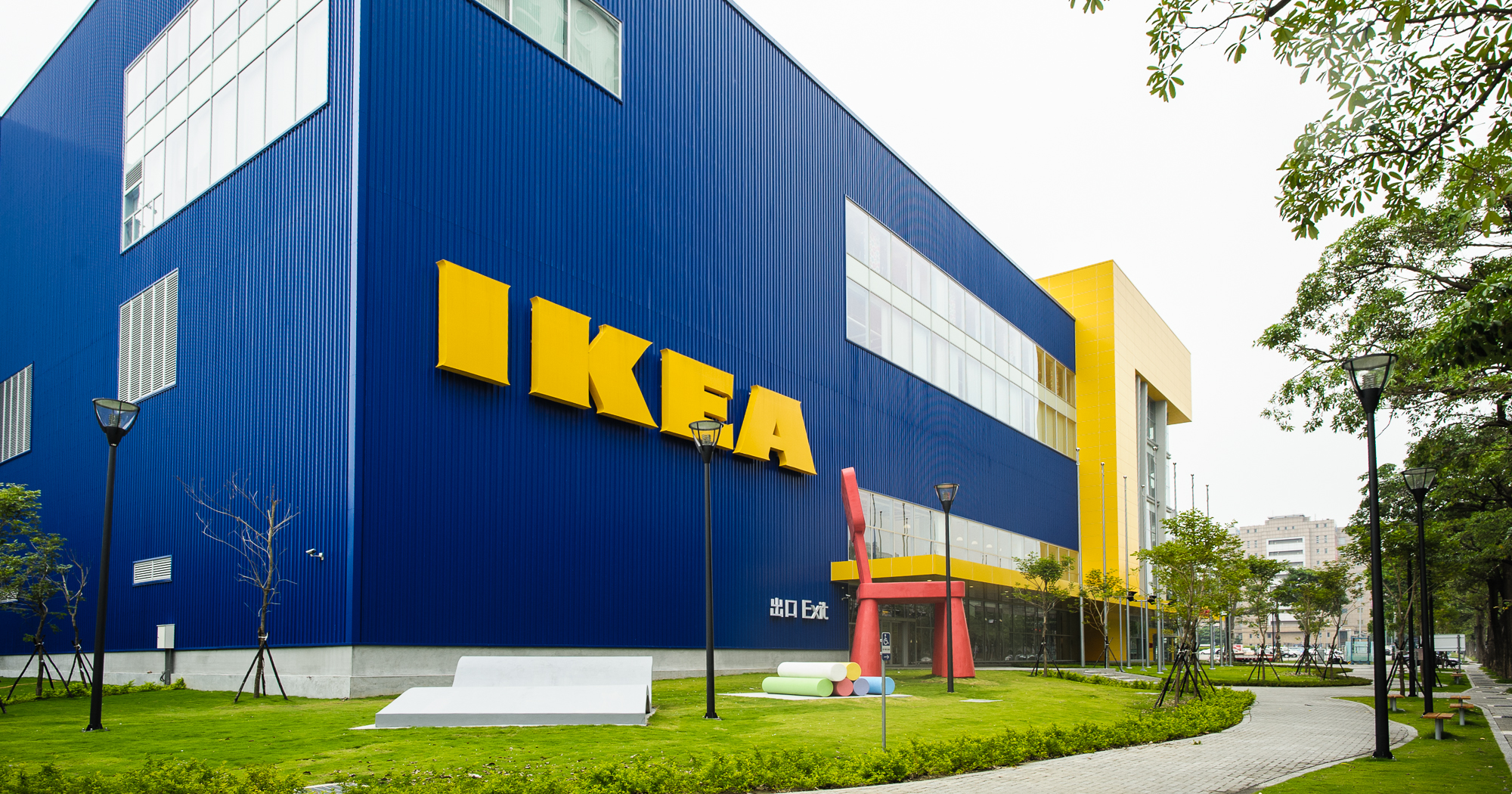
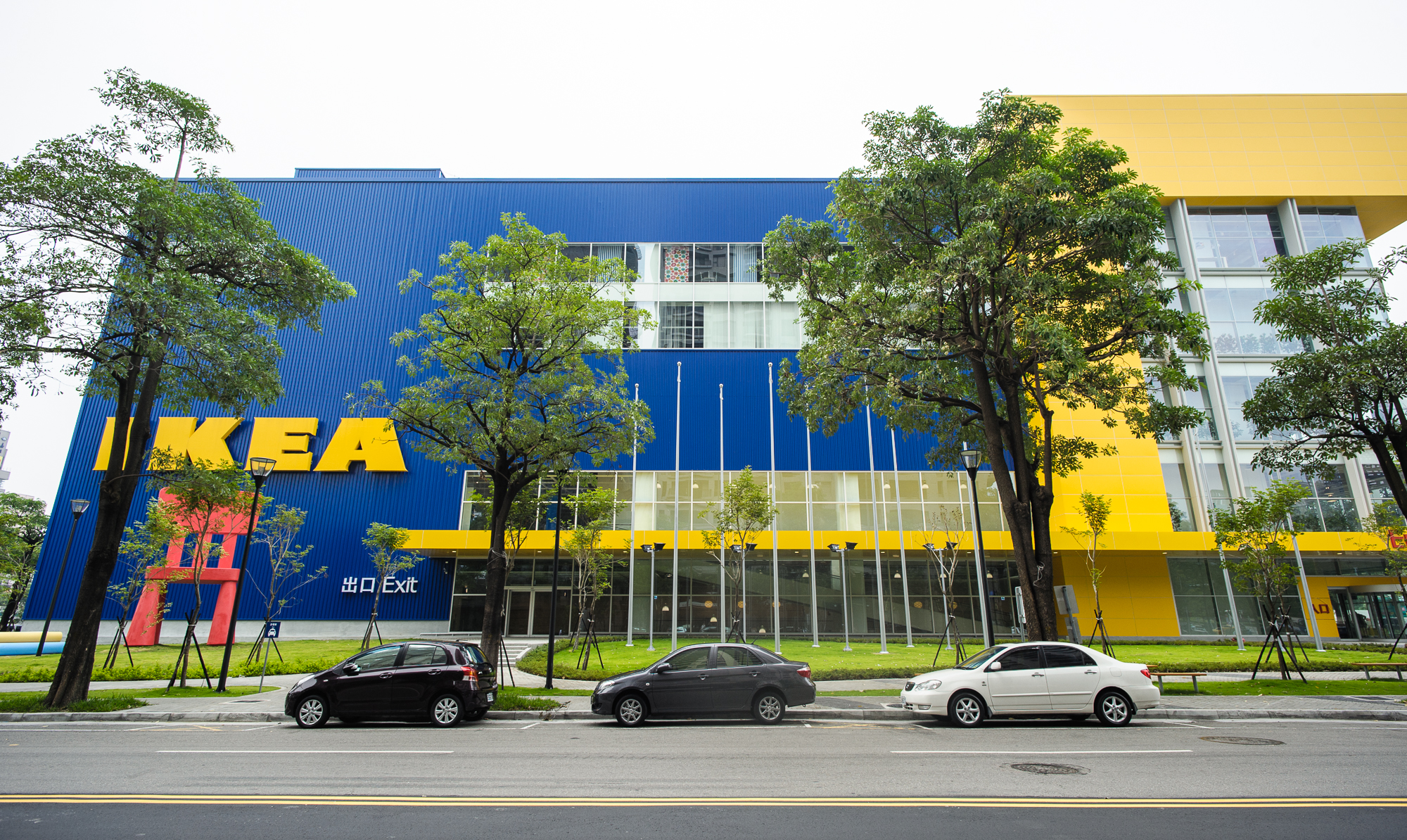
Seamlessly integrated with Taichung Wenxin Forest Park and the Fulfillment Amphitheater, the extension of the curvilinear green corridor serves as the conceptual backbone for the architectural design of IKEA Taichung. Synchronized with the human eye level, the facade introduces a continuous ribbon of vertical greening, which flows elegantly into the curvilinear street-corner plazas and communal sky gardens. Engineered entirely through green building methodologies, the master plan dynamicizes urban aesthetics, emerging as the flagship BOT landmark within Taichung’s 7th Redevelopment Zone.
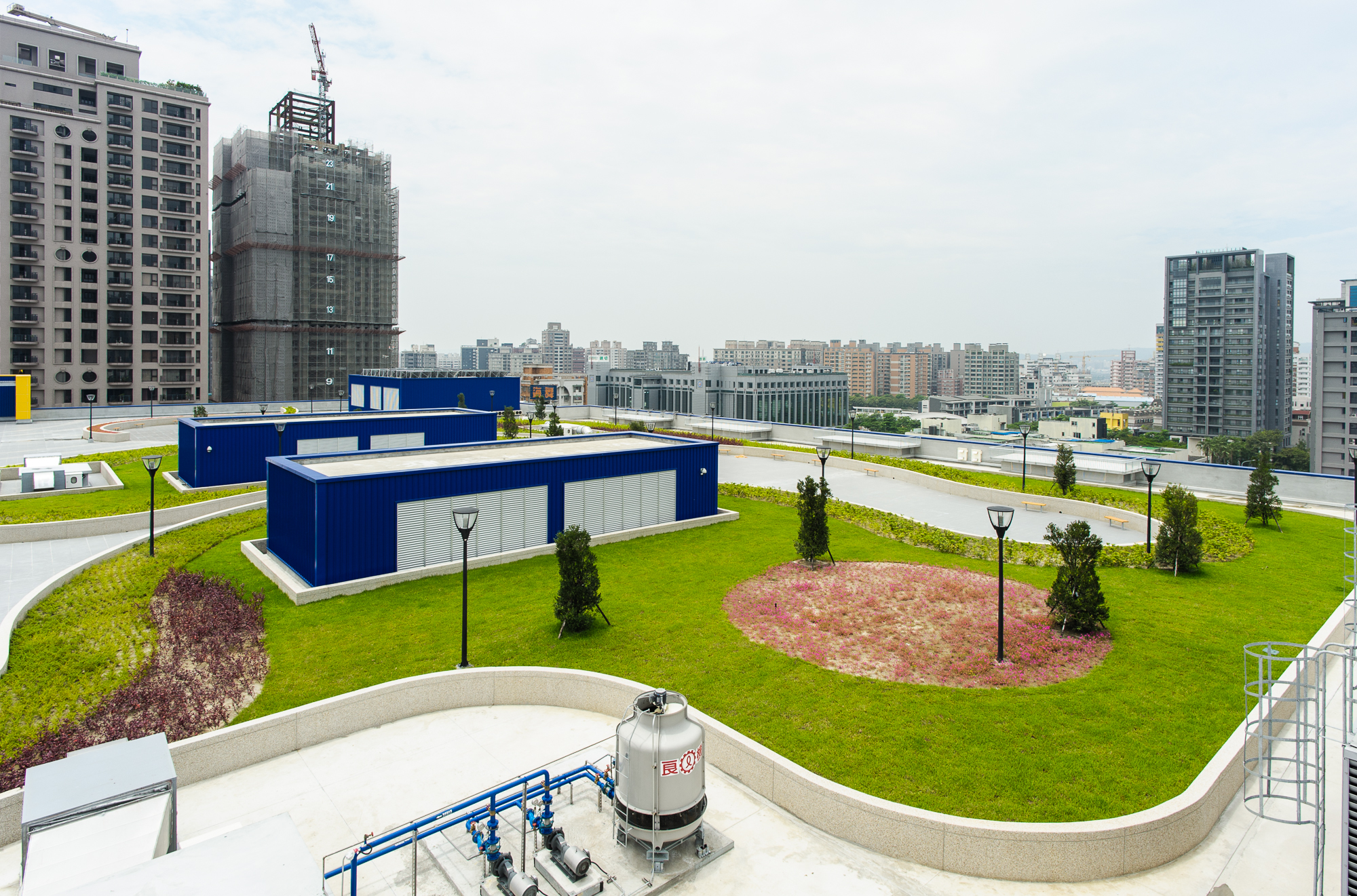
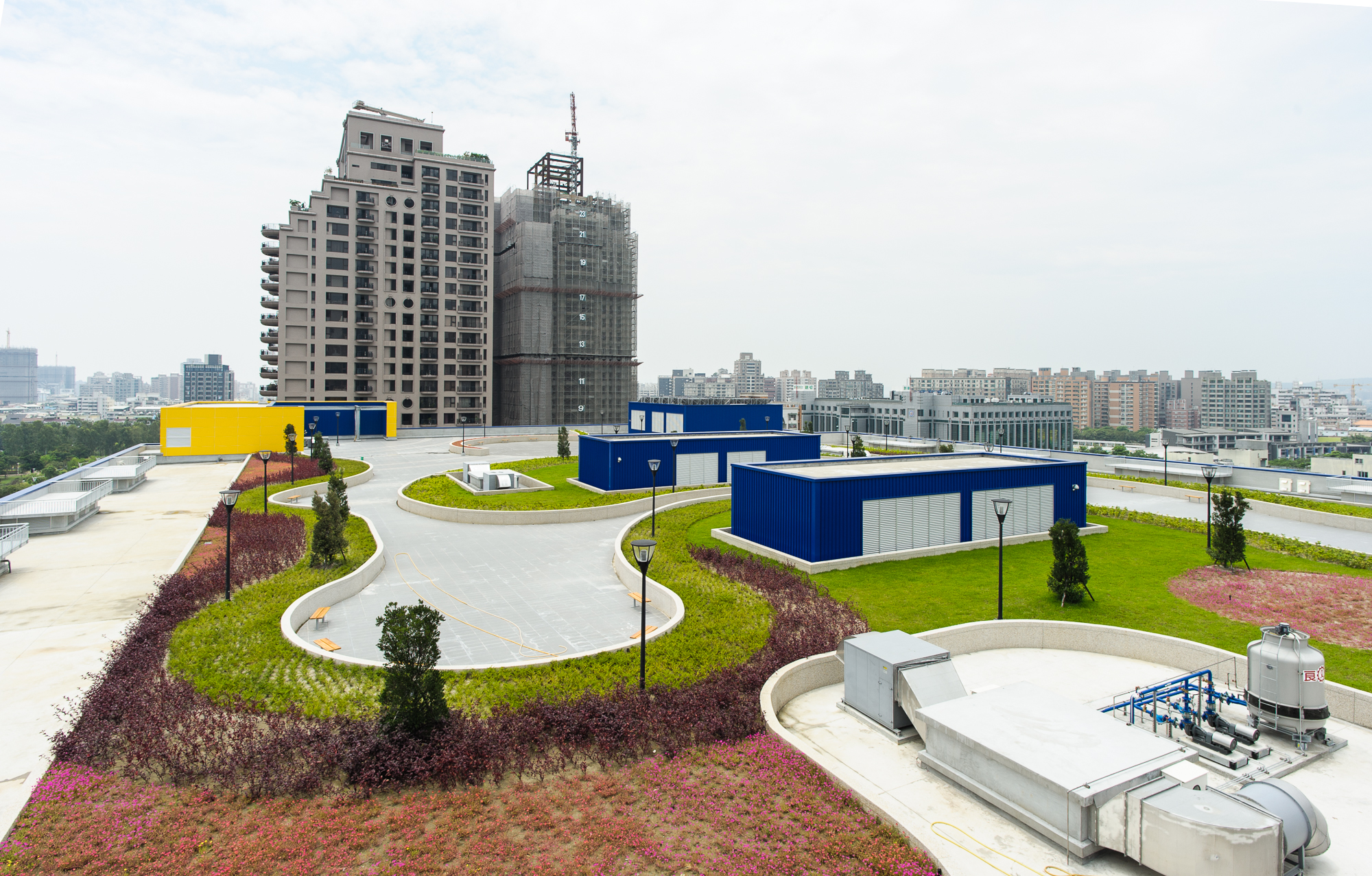
While retaining IKEA’s signature blue-and-yellow corporate chromatic identity, the building achieves a global premiere by integrating living bio-walls directly into its structural skin, alongside an accessible rooftop ecosystem designed for public recreation, fostering a natural dialogue with the adjacent urban biome.
Leveraging outscaled interpretations of IKEA’s iconic domestic products, the southwestern threshold introduces a witty and provocative public art installation. This installation amplifies visual perception while offering an interactive play-scape for children, mirroring the biophilic intent of the neighboring park. The remaining site corners are strategically set back to expand the pedestrian plazas, seamless extending the sidewalk greenery to compose distinct urban vistas and termination viewpoints.
Tectonic Engineering & Golden-Grade Green Architecture Verification
As Taiwan's pioneering IKEA facility to pursue the prestigious Golden-Grade Green Building Certification (EEWH), the envelope materiality and fenestration morphology are rigorously calibrated against the "Daily Energy Saving Index."
Embracing the "CO2 Reduction" and "Waste Reduction" indices, the volumetric massing deliberately avoids arbitrary ornamentation, over-engineered structural spanning, or asymmetrical floor plans that trigger excessive material consumption. Through "Tectonic Dematerialization," the design minimizes carbon expenditure, utilizing highly industrialized, standardized, and prefabricated modular components manufactured off-site and assembled swiftly on-site. This precast methodology suppresses construction-site air pollution, while its high recyclability aligns with circular design protocols.
This synthesis of structural efficiency and ecological stewardship honors IKEA’s core manifesto: To create a better everyday life and pioneer sustainable living parameters for humanity.

IKEA Taichung Store
Taichung, Taiwan